If you’re providing speech therapy through telepractice, having the right technology can make your sessions easier, more efficient, and more professional.
But here’s the good news: you don’t need to spend thousands of dollars creating a telepractice setup.
I’ve been providing speech therapy through telepractice since 2008, and over the years I’ve tried different computers, cameras, monitors, headsets, and other equipment. I’ve learned that some technology is essential, some is simply helpful, and some products are nice upgrades but certainly aren’t necessary.
I’ve put together this list of the technology I currently recommend for telepractice SLPs, along with a few home-office upgrades worth considering if you spend much of your workday at your computer.
A note about my recommendations: Some of the products below are items I personally use or have used in my own telepractice setup. Those are labeled as My Pick. I’ve also included a few Bonus Home Office Picks that I don’t personally use but that are worth considering when you’re creating a comfortable, functional workspace.
I’ve also created a new Amazon storefront, Adrienne Recommends, where I’ve organized many of my favorite telepractice and home office products into easy-to-shop lists.
Now, let’s talk about what technology you actually need for telepractice.
What Technology Do You Really Need for Telepractice?
Before you start shopping, let’s simplify things. At a minimum, a telepractice SLP needs:
- A reliable computer
- A webcam
- A microphone or headset
- A reliable internet connection
- A HIPAA-compliant telepractice platform
- The software and therapy materials needed for your clients
That’s really it.
Everything else on this list can make your work easier, but you don’t need to buy every piece of equipment to get started. If you’re building a more permanent telepractice workspace, however, there are several upgrades that I think are worth considering.
1. Computer
Your computer is the foundation of your telepractice setup. You’ll use it for your video sessions, electronic documentation, therapy materials, websites, email, scheduling, and all of the other tasks that come with running your telepractice sessions. When choosing a computer, I recommend looking for:
- A current or relatively recent processor
- At least 8 GB of RAM; 16 GB is preferable if your budget allows
- A solid-state drive (SSD)
- A built-in webcam
- A screen large enough for comfortable viewing
- Multiple USB ports or compatibility with a docking station/hub
- A reliable operating system that supports the software you use
You don’t necessarily need an expensive computer designed for gaming or professional video editing. For most telepractice SLPs, a good everyday laptop is more than sufficient.
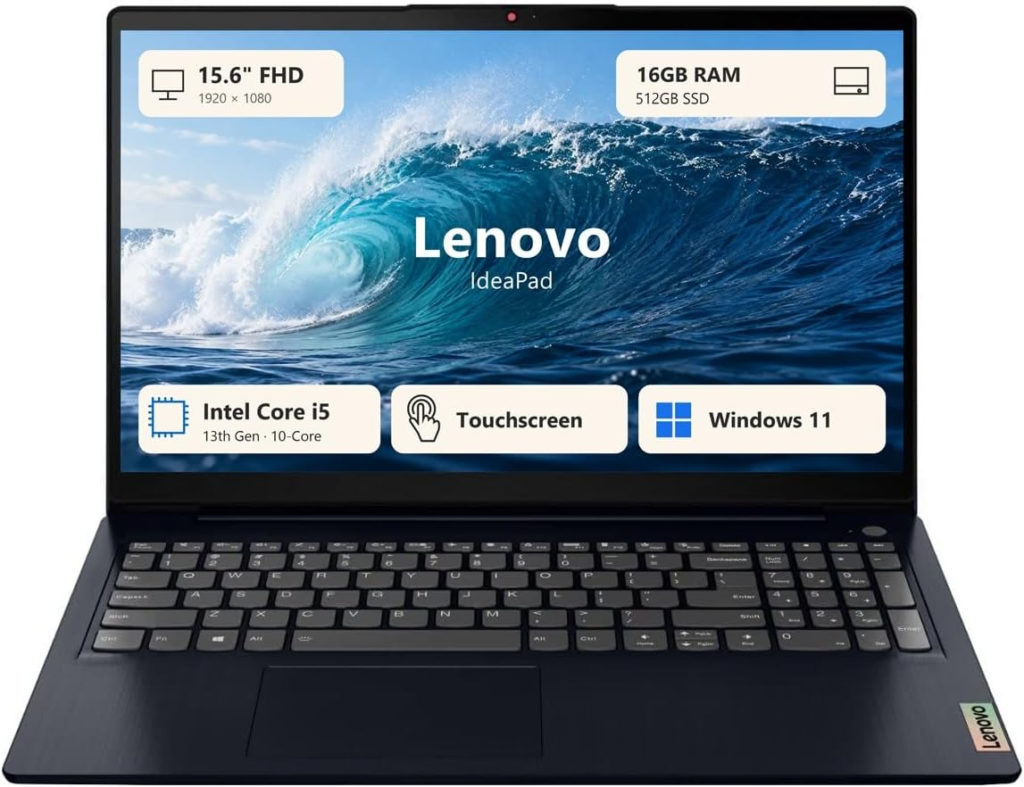
I like a touchscreen laptop for telepractice because it gives you another way to interact with digital materials, and the IdeaPad provides a good combination of performance and functionality for everyday professional use.
If you regularly have multiple browser tabs, video conferencing, documentation, therapy materials, and other applications open at the same time, I’d lean toward this higher-spec option.
Looking for a Less Expensive Option?
You don’t need to purchase the more expensive laptop to provide effective telepractice services.
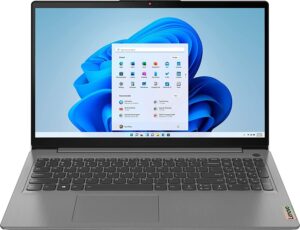
This Lenovo IdeaPad 3i is an older-generation model with an Intel Core i5-1135G7 processor, touchscreen display, 8 GB of memory, and 256 GB of SSD storage.
If you’re looking for a lower-cost computer for telepractice, this is an option to consider.
My advice: If you’re purchasing a computer that you expect to use for several years and your budget allows it, I’d choose the higher-spec laptop. If you’re starting a new practice, working part-time, or simply need an affordable computer dedicated to telepractice, the less expensive option may be sufficient. Please keep in mind that computer configurations and prices change frequently, so check the current specifications before purchasing.
2. External Webcam
Your computer’s built-in webcam may be perfectly adequate for telepractice. However, an external webcam gives you more flexibility with positioning and can be a worthwhile upgrade.
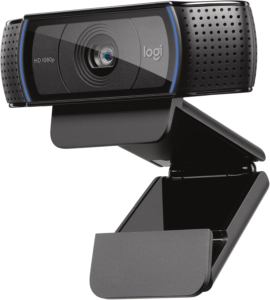
I don’t have this exact model, but I’ve used an older version of the Logitech C920 webcam for more than 10 years, and it has been incredibly reliable. That’s a big part of why I feel comfortable recommending the C920x.
The C920x provides Full HD 1080p video, autofocus, automatic light correction, and dual microphones. For telepractice, a good external webcam can provide a noticeable improvement over a built-in laptop camera, particularly if you want a clearer, more polished image for your therapy sessions.
The webcam can be mounted on your laptop or monitor, and it can also be attached to a tripod if you want more flexibility with positioning.
What should you look for in a webcam?
For telepractice, I’d prioritize:
- Clear image quality
- Autofocus
- Good performance in your typical room lighting
- Easy USB connection
- Adjustable positioning
- Compatibility with your computer
You don’t need a professional studio camera to provide effective speech therapy.
3. Headset with Microphone
As an SLP, you already know how important it is to hear your clients clearly. During a teletherapy session, you’re listening for speech sound production, language, fluency, voice, and other communication behaviors. A headset can also help reduce the amount of background noise picked up by your microphone.
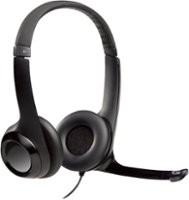
I’ve used the Logitech H390 for telepractice because it is simple, affordable, and easy to use.
It has:
- A USB connection
- Stereo sound
- A noise-canceling microphone
- An adjustable microphone boom
- In-line volume and mute controls
For an SLP who wants a straightforward headset without spending a lot of money, this is a practical option.
I also like a wired headset for telepractice because you don’t have to worry about charging it in the middle of your workday.
4. Second Monitor
If there’s one upgrade I’d recommend to an SLP who is spending a lot of time providing telepractice, it’s a second monitor. I started out using a single screen in telepractice, but once I began using a second monitor, I didn’t want to go back. A second monitor allows you to keep your client visible on one screen while using the other screen for things like:
- Therapy materials
- Digital games
- Data collection
- Session notes
- Email
- Other resources
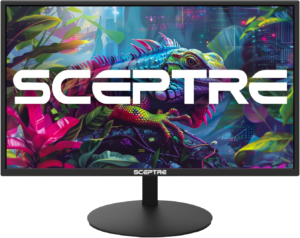
I’ve used a 27-inch Sceptre monitor as part of my telepractice setup for many years. You don’t need an enormous or expensive monitor. The biggest advantage is simply having additional screen space. If you’re currently switching back and forth between your video session, therapy materials, and documentation, a second monitor may be one of the most useful upgrades you can make.
Read more: 5 Reasons to Use a Second Monitor in Telepractice
5. Document Camera
A document camera is another piece of technology that isn’t absolutely necessary—but I love having one available for telepractice. It allows you to show physical materials to your client without having to hold them up to your webcam. For example, you can use a document camera to show:
- Books
- Worksheets
- Flashcards
- Puzzles
- Toys
- Games
- Writing activities
- Manipulatives
- Other hands-on materials
This can be especially helpful when you’re working with younger children.
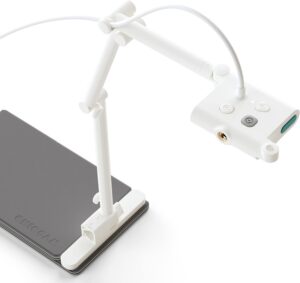
The OKIOCAM S-4K is a higher-resolution document camera that can be used with a computer for displaying physical materials during a virtual session. One of my favorite things about a document camera is that it allows you to combine the convenience of digital teletherapy with the hands-on activities that you already have on hand.
Read more: 5 Ways to Use a Document Camera in Telepractice
6. iPad
An iPad isn’t required for telepractice, but it can be a very useful addition to your technology setup. You can use an iPad for:
- Speech and language apps
- Digital games
- Interactive activities
- Drawing and writing
- Digital books
- Screen sharing or demonstrating apps
The iPad can also be particularly useful if you use your computer for the video session while using the iPad as a separate device for therapy activities.
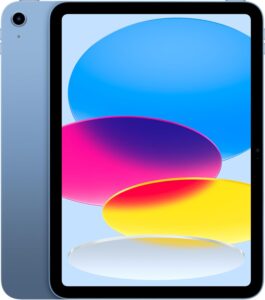
The current 11-inch iPad with the A16 chip is available in different storage capacities: 128 GB and 256 GB.
Which storage option should you choose?
For most SLPs, 128 GB should be plenty if you’re primarily using the iPad for apps, therapy activities, browsing, and general work. I’d consider 256 GB if you plan to store a large number of apps, videos, photos, downloaded books, or other files directly on the device. You don’t need the most expensive iPad available to use an iPad effectively for telepractice.
Bonus: Home Office Essentials for Telepractice SLPs
Technology is only part of your telepractice setup. If you spend several hours a day at your computer, your physical workspace matters, too. I don’t personally use all of the products in this section, so these are not my personal telepractice technology picks. Instead, I’ve included some home-office products that are worth considering if you’re building or upgrading your telepractice workspace.
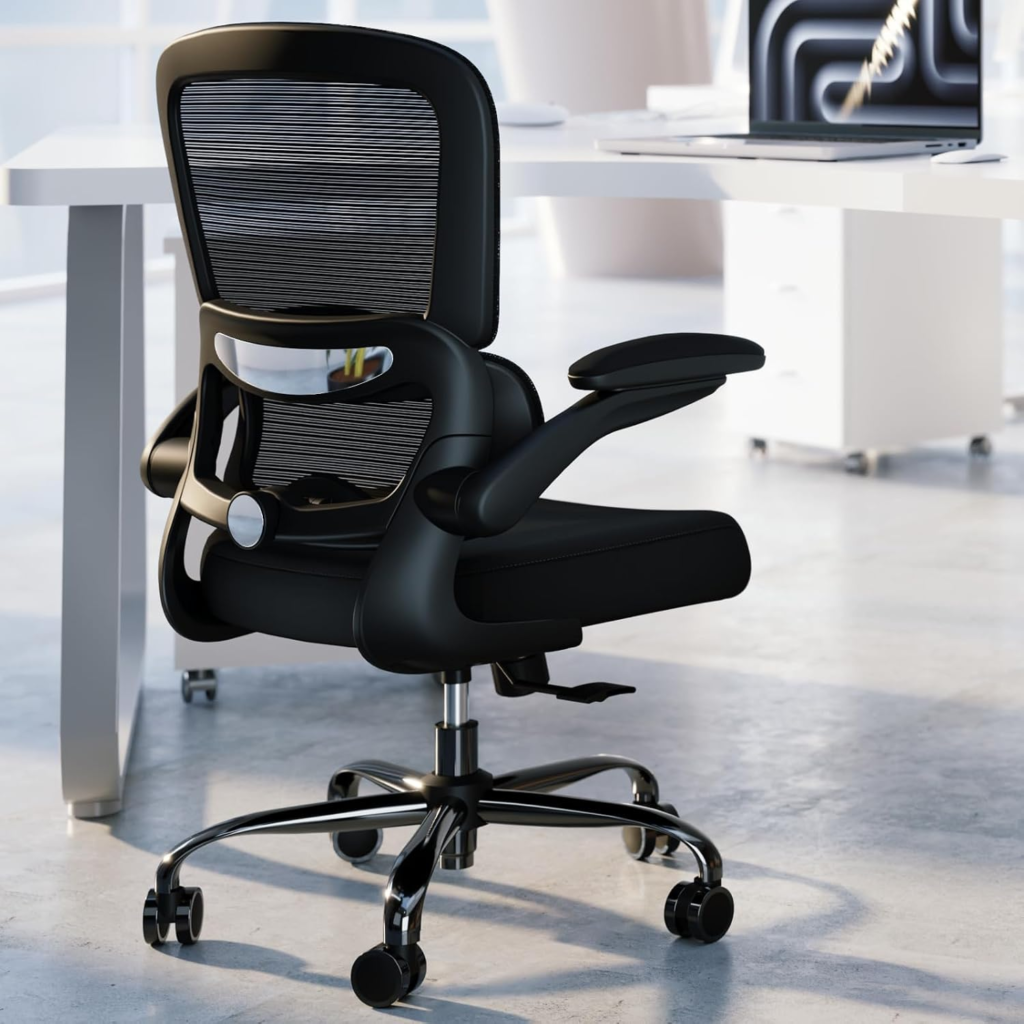
1. Ergonomic Office Chair
If you’re sitting for several hours a day, a comfortable, adjustable office chair is the first home office upgrade that I’d recommend. When shopping for an office chair, look for features such as adjustable height, lumbar support, adjustable armrests, and a comfortable seat. You don’t necessarily need the most expensive chair available—the goal is to find one that fits your body, your desk, and your workspace.
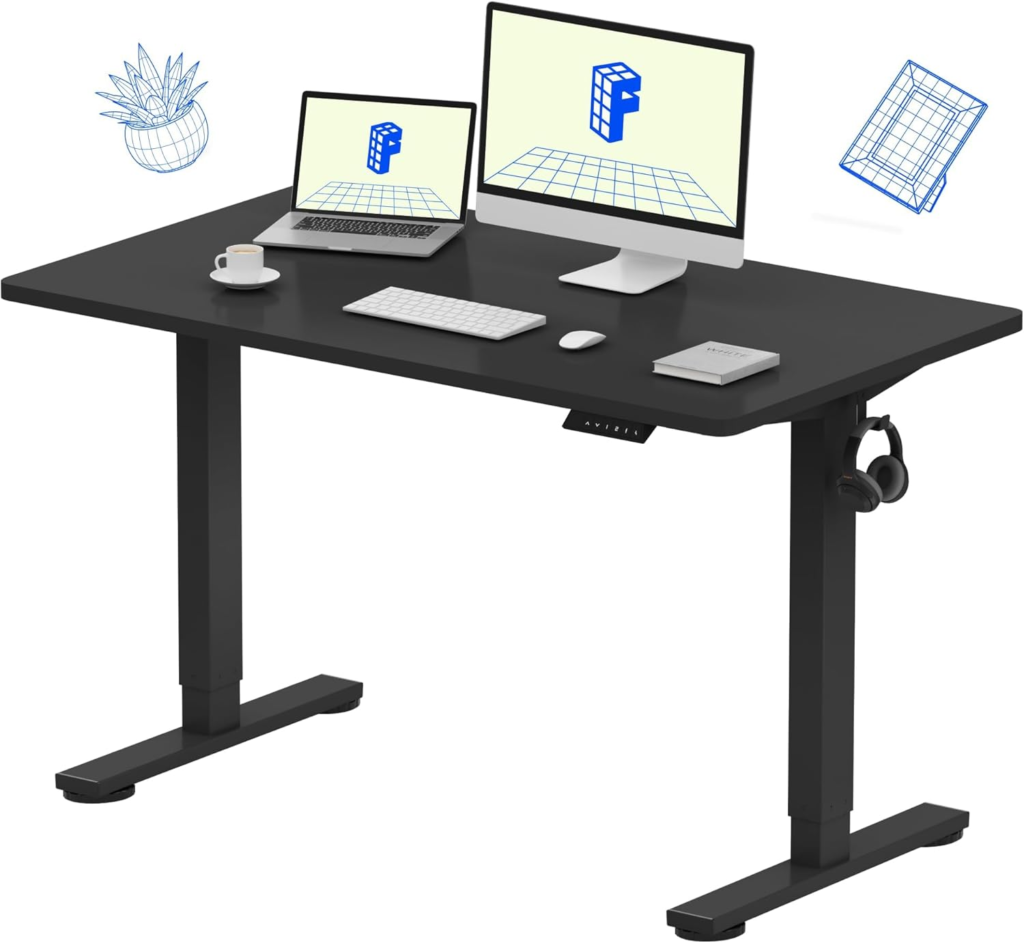
2. Sit-Stand Desk
A sit-stand desk can be a useful upgrade if you spend long stretches of your day at your computer. A standing desk gives you the option to alternate between sitting and standing throughout your workday. This can be particularly useful when your day includes a combination of therapy sessions, documentation, lesson planning, and administrative work. A standing desk isn’t a requirement for telepractice, of course. If you’re happy with your current desk, a converter can be a less expensive way to experiment with a standing workstation.
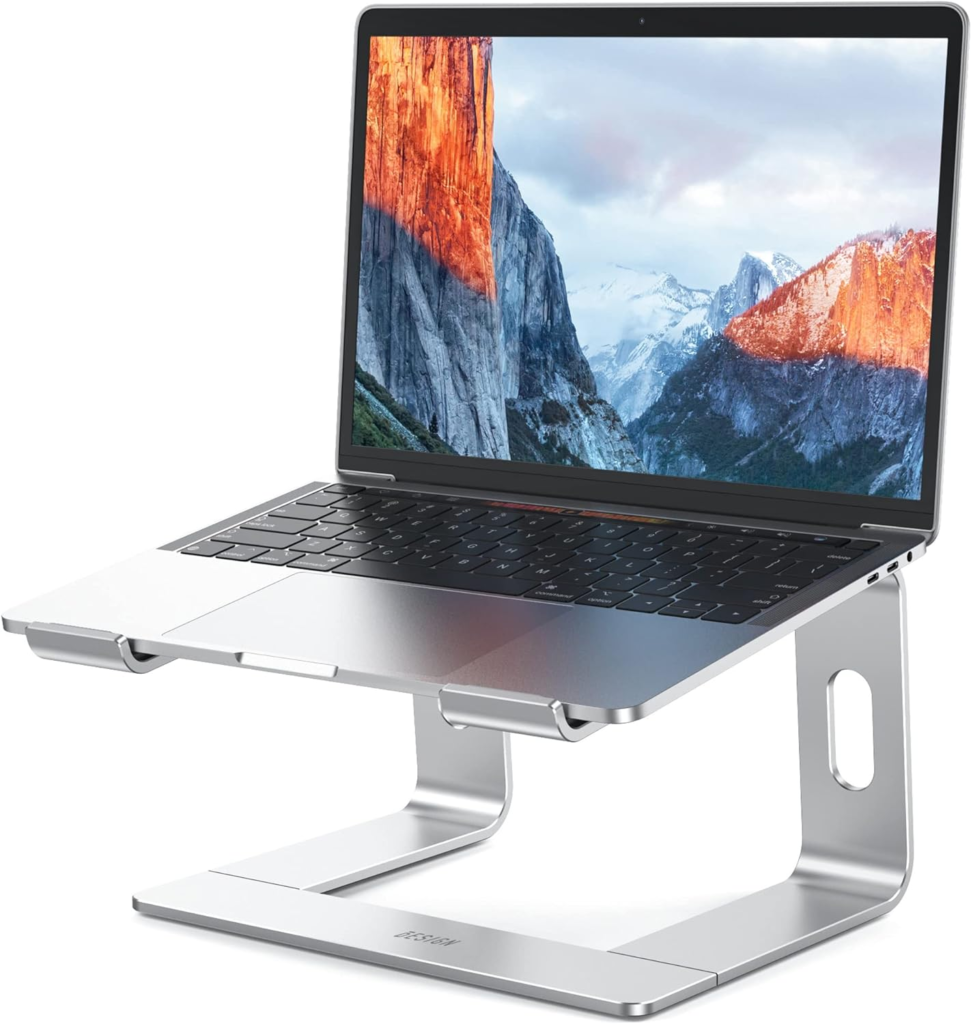
3. Laptop Stand
If you’re using your laptop as one of your screens, a laptop stand is an inexpensive way to improve your workspace setup. Raising your laptop can help position the screen at a more comfortable height. Pairing a laptop stand with an external keyboard and mouse can also make it easier to create a more ergonomic workstation.
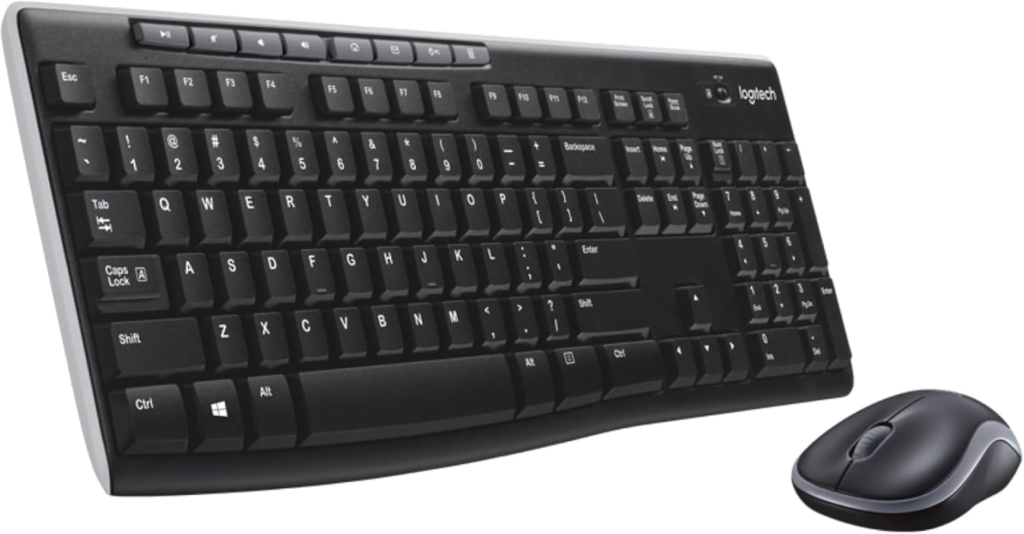
4. Ergonomic Keyboard and Mouse
Once your laptop is raised on a stand, you’ll need another way to type and navigate your computer. A wireless keyboard and mouse give you more flexibility in positioning your equipment and can help reduce desk clutter. If you spend much of your day typing session notes, writing reports, or handling administrative tasks, an ergonomic keyboard and mouse are essential.
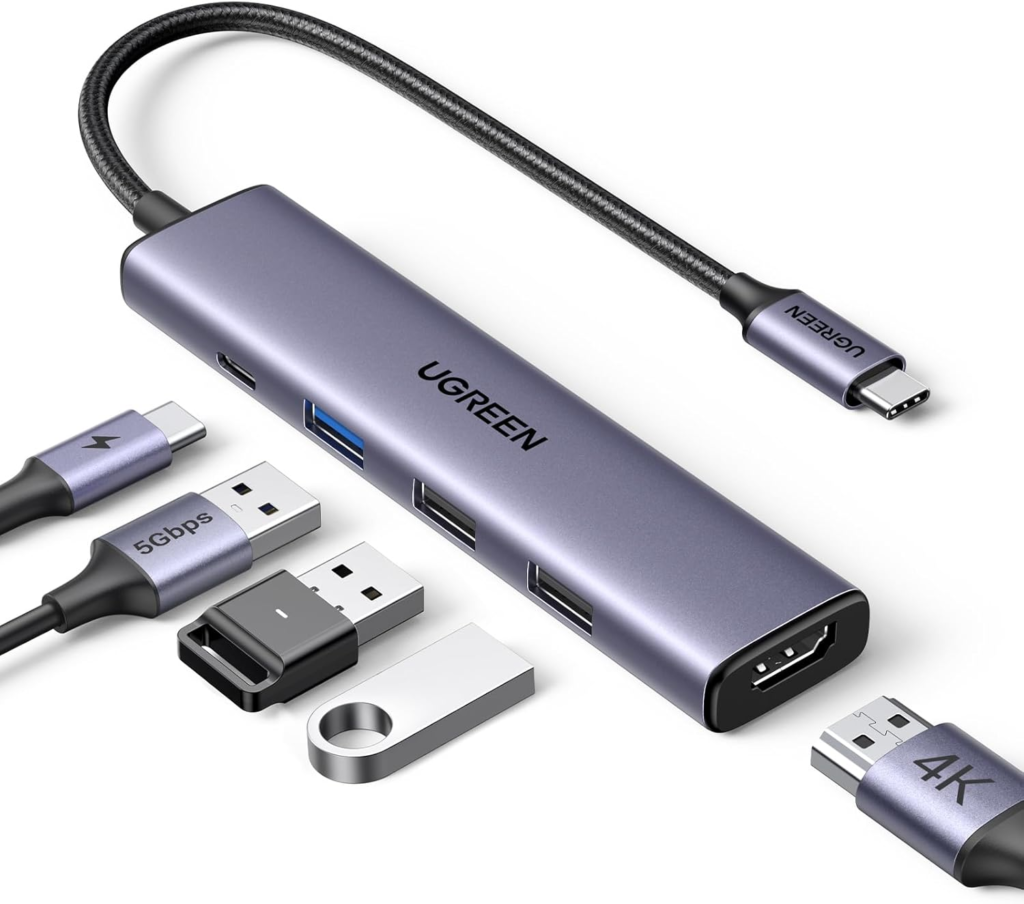
5. USB Hub or Docking Station
If you’re connecting multiple pieces of equipment to your computer, a USB hub can be a very practical addition to your telepractice workspace. Think about everything you might connect to your computer: a webcam, external monitor, document camera, keyboard, mouse, headset, and other peripherals. Depending on your computer, you may quickly run out of available ports. A USB hub gives you additional connection options and can help keep your equipment organized.
Tip: Before purchasing a USB hub, check the ports on your specific computer and make sure the hub you’re considering is compatible with your setup.
What Do I Really Need?
If you’re feeling overwhelmed by this list, don’t be! You don’t need everything. If you’re just starting telepractice, start with:
- A reliable computer
- A webcam
- A headset with microphone
- Reliable internet
- Your telepractice platform
If you want to make your sessions easier, consider adding:
- A second monitor
- A document camera
- An iPad
Then…if telepractice is a major part of your workday, consider upgrading your workspace with:
- An ergonomic chair
- A sit-stand desk
- A laptop stand
- An ergonomic keyboard and mouse
- A USB hub or docking station
The goal isn’t to create the most expensive telepractice office possible. The goal is to create a setup that allows you to provide effective therapy while working comfortably and efficiently.
My Telepractice Technology Setup
After years of providing speech therapy through telepractice, I’ve learned that the best setup isn’t necessarily the one with the most technology. It’s the one that works reliably for you, your clients, and the way you provide therapy. Some SLPs will love having multiple monitors and a document camera. Others may prefer a simple laptop setup. Some therapists will use an iPad during every session, while others may rarely need one. There isn’t one “perfect” telepractice setup. Start with the essentials, add equipment as you discover what would make your sessions easier, and don’t feel like you need to buy everything at once.
Shop My Amazon Recommendations
Want to see all of my recommended products in one place? Visit Adrienne Recommends on Amazon.
Want to Learn More About Telepractice Technology?
Choosing your equipment is only one part of creating a successful telepractice practice. If you’re looking for more guidance on using technology effectively during virtual speech therapy, check out my Technology in Telepractice course. In the course, I walk through the technology and tools I use for telepractice and share practical strategies that can help you feel more comfortable and confident providing services online.
Learn More About Technology in Telepractice →
A Final Reminder About Buying Technology
Product prices, specifications, availability, and models can change frequently—especially on Amazon. Before purchasing any technology, check the current product listing and make sure the specifications, operating-system compatibility, ports, and other features meet your needs.
Remember- you don’t need the newest or most expensive technology to provide great telepractice. The best technology is the technology that helps you do your job well.
This post may contain affiliate links, which means that we may receive a commission if you make a purchase using these links. As an Amazon Associate, we earn from qualifying purchases. View our full Affiliate Disclaimer here.